PRODUCTS

FLOW IRONS High-Pressure Fluid Transfer Systems

Introduction :

  • Definition: Flow iron—also referred to as frac iron, flowline components, or ground iron—is a collection of temporary high-pressure piping components and fittings used to convey fracturing fluids and handle flowback from wells.
  • Purpose: Provides modular, high-pressure flow paths in wellsite operations.
  • Context: Common in hydraulic fracturing, cementing, well testing, and flowback operations.

Typical Applications:

  • Hydraulic Fracturing: Controls transportation of high-pressure frack fluids (including water, chemical additives, proppants) from pumps to the wellhead.
  • Completion & Flowback: Used during well testing, flowback, and cleanup operations.
  • Well Service: Temporary piping configurations for varied operational stages.

Components of Flow Iron

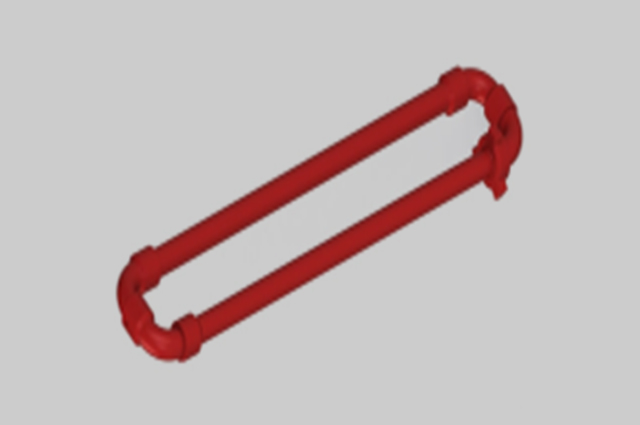
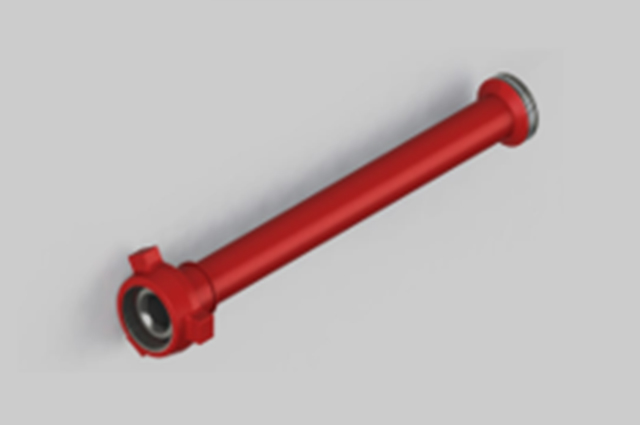
  • Straight Sections (Pup Joints): Short pipe segments available in lengths (1–12 ft) and diameter sizes like 2′′ and 3′′.
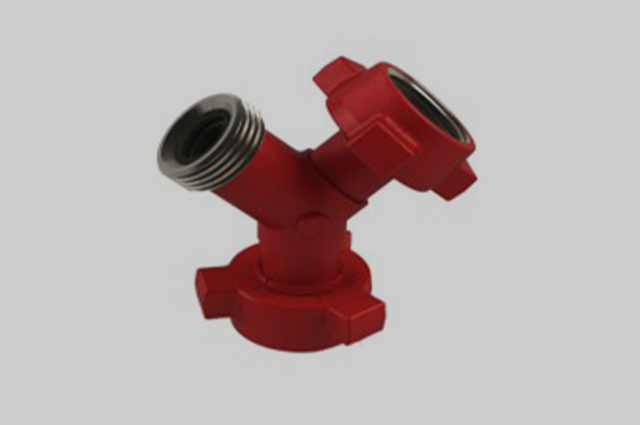
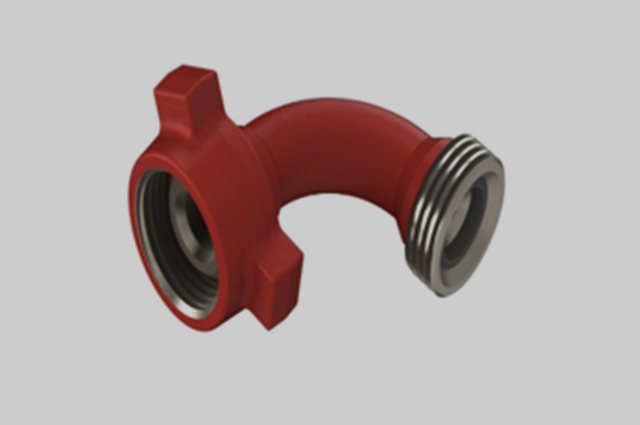
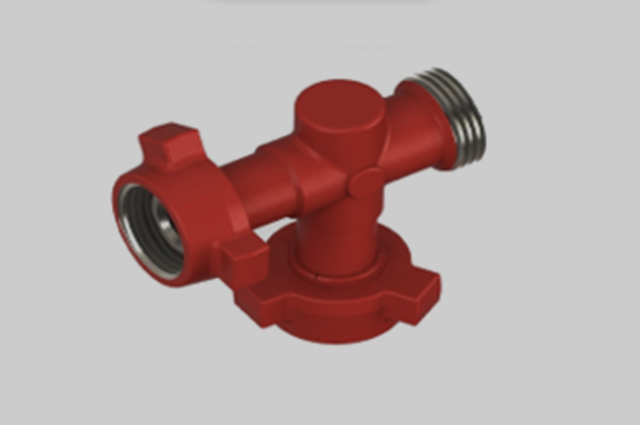
  • Directional Fittings: Elbows, tees, crosses, laterals, wyes (allow branching and routing).
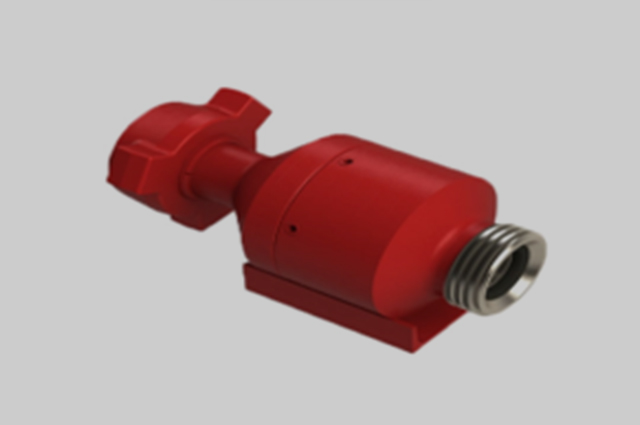
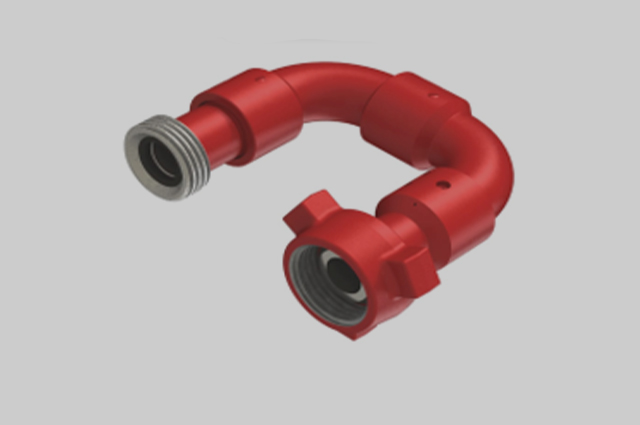
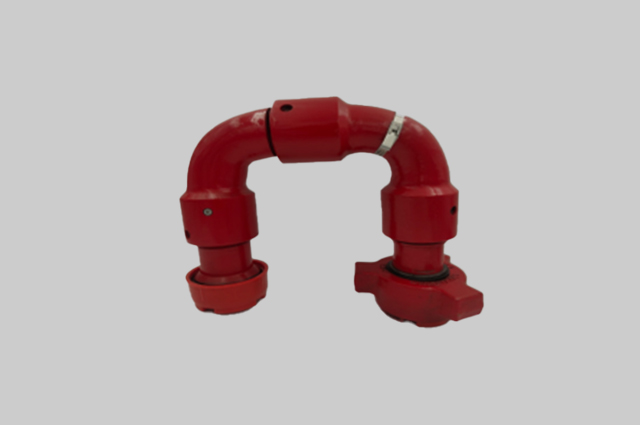
  • Swivel Joints: Enable flexibility and alignment during setup (handle terrain misalignment).
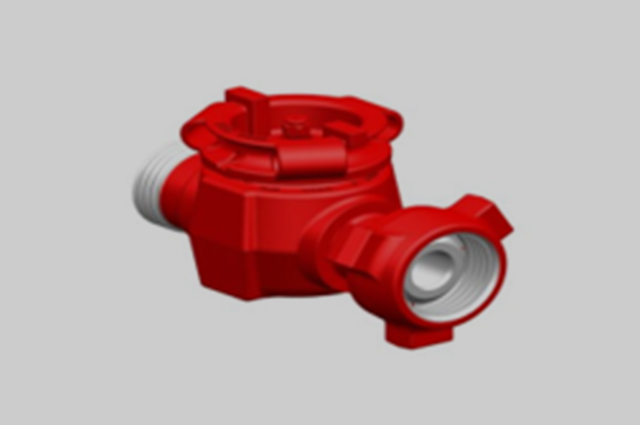
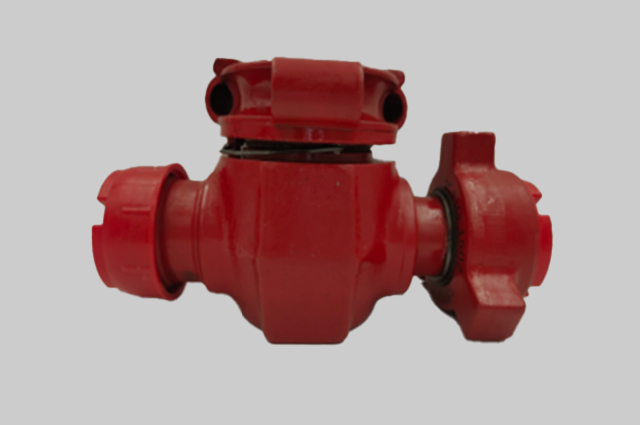
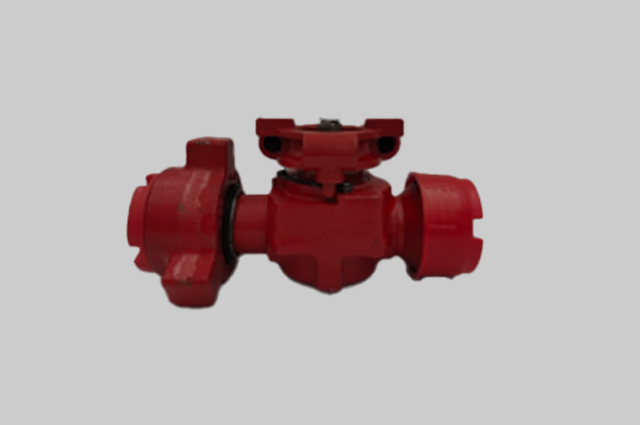
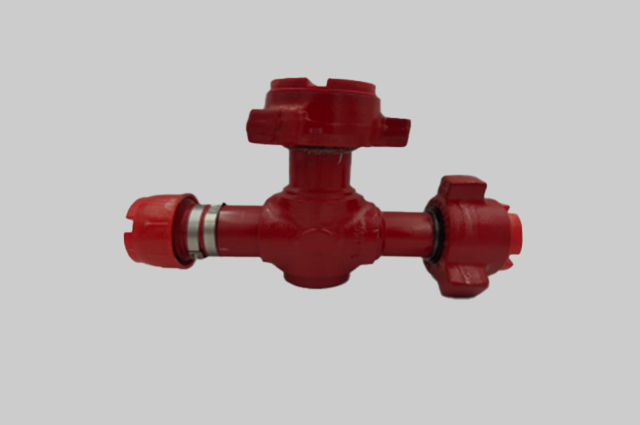
  • Valves & Control Devices: Choke valves, plug valves, check valves, pressure release valves (essential for flow control and safety).
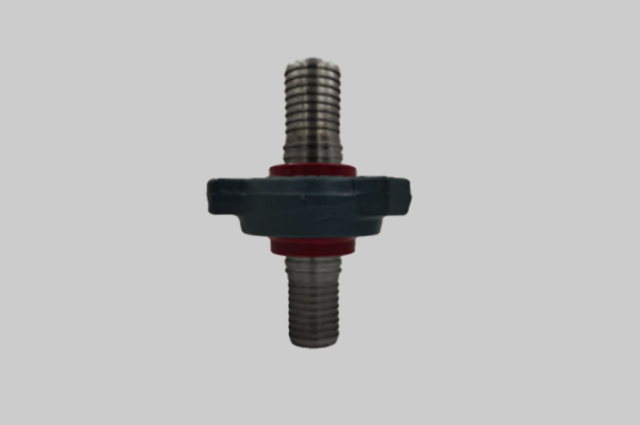
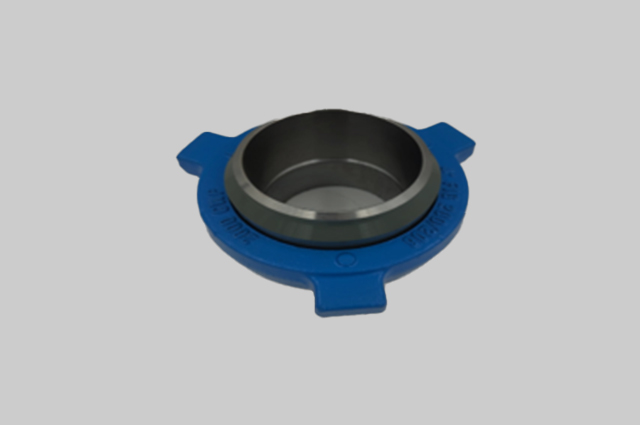
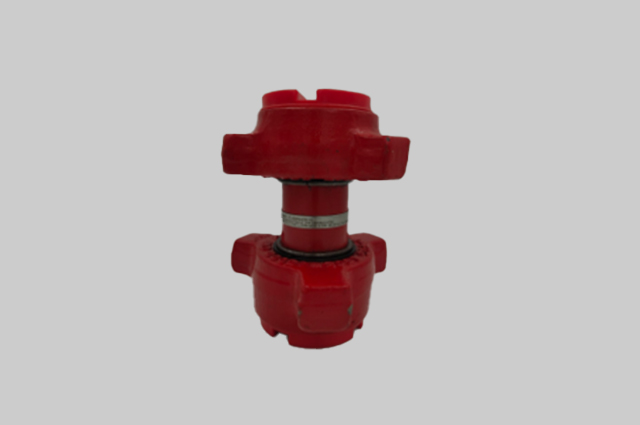
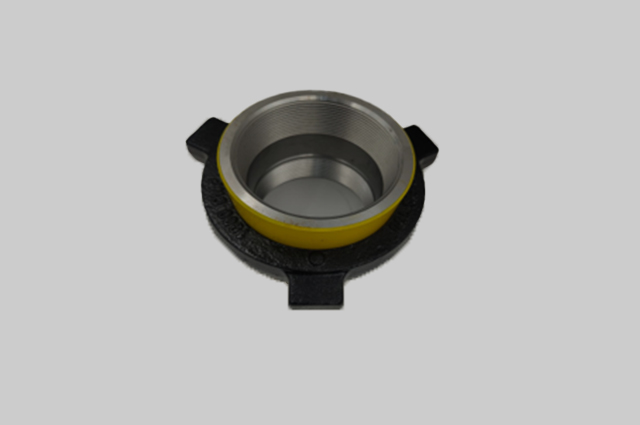
  • Unions / Connection Types: Hammer Unions, Clamp and Flange unions (facilitate quick assembly and disassembly)

Materials & Specifications

  • Material: A105, ASTM A350 LF2,AISI 4130, AISI 4140.
  • Pressure Ratings: Standard working pressures range from 2,000 to 20,000psi; sour-service versions as applicable

Operational Considerations

  • Rapid Rig-Up / Modularity: Legible design reduces setup time and improves adaptability
  • Pressure Drop Considerations: Streamlined designs minimize pressure losses, reducing erosion
  • Wear & Erosion: High-velocity abrasive flows cause ID erosion, requiring inspection and replacement

Key Takeaways:

  • Flow Iron = critical, modular, high-pressure piping for frac and flowback.
  • Consists of straight segments, fittings, swivel joints, valves, and unions.
  • Materials designed for extreme pressure and erosion resistance.
  • Regular inspection (visual, UTT, MT, hardness) ensures safety.
  • Industry practices and products (e.g. ACT) aim to improve rig-up efficiency and reliability.